

irvin71u425775
About irvin71u425775
Seven Simple Tactics For Election Uncovered
 The real estate market does not move in one direction nationwide. It never has. What is happening in Austin is not what is happening in Cleveland. What is true for a three-bedroom in the suburbs of Dallas has almost nothing to do with a two-bedroom in San Francisco. Before you do anything else, narrow your focus to the specific market you are shopping in and stop reading national headlines as if they apply to you personally.
 The arithmetic here is brutal and worth understanding clearly. A buyer who financed a $400,000 home at three percent in 2021 pays roughly $1,686 per month on principal and interest. That same loan at a seven percent rate costs $2,661. Those numbers explain why the market froze rather than crashed when rates moved higher. Volume collapsed. Prices mostly did not.
Affordability, by the standard measure of what share of median household income goes toward the monthly payment on a median-priced home, is near its worst level since the early 1980s. That is a real problem, and it is not going away quickly. That measure being at a historical extreme does not automatically produce a correction. What it means, practically, is that fewer people can compete for each property.
 Your credit score affects your rate more directly than most buyers realize. Moving your score up by 40 points before you apply can be worth more than months of rate watching. If your score has room to improve, give yourself three to six months to work on it before you begin in earnest.
 The appraisal is the lender’s check, not yours. A low appraisal means the buyer has to make up the gap in cash, renegotiate, or cancel. Ask your agent what the local pattern looks like before you structure an offer without an appraisal contingency.
 Budget enough to cover origination fees, title, escrow, prepaid taxes, and insurance without being caught short at the table. First-time buyers routinely underestimate this number. Ask your lender for a Loan Estimate with a realistic purchase price so the numbers reflect what you are actually going to face.
 For buyers with the financial cushion to handle a repair bill without panic, this market is more navigable than the headlines suggest. The homes that are priced correctly for current conditions are still moving. They are moving to buyers who showed up prepared.
Buyers who take the time to do their homework tend to find that there are still good properties available at realistic prices. Before you commit to a direction, browsing homes for sale and market resources can sharpen your picture of what is actually available in your price range.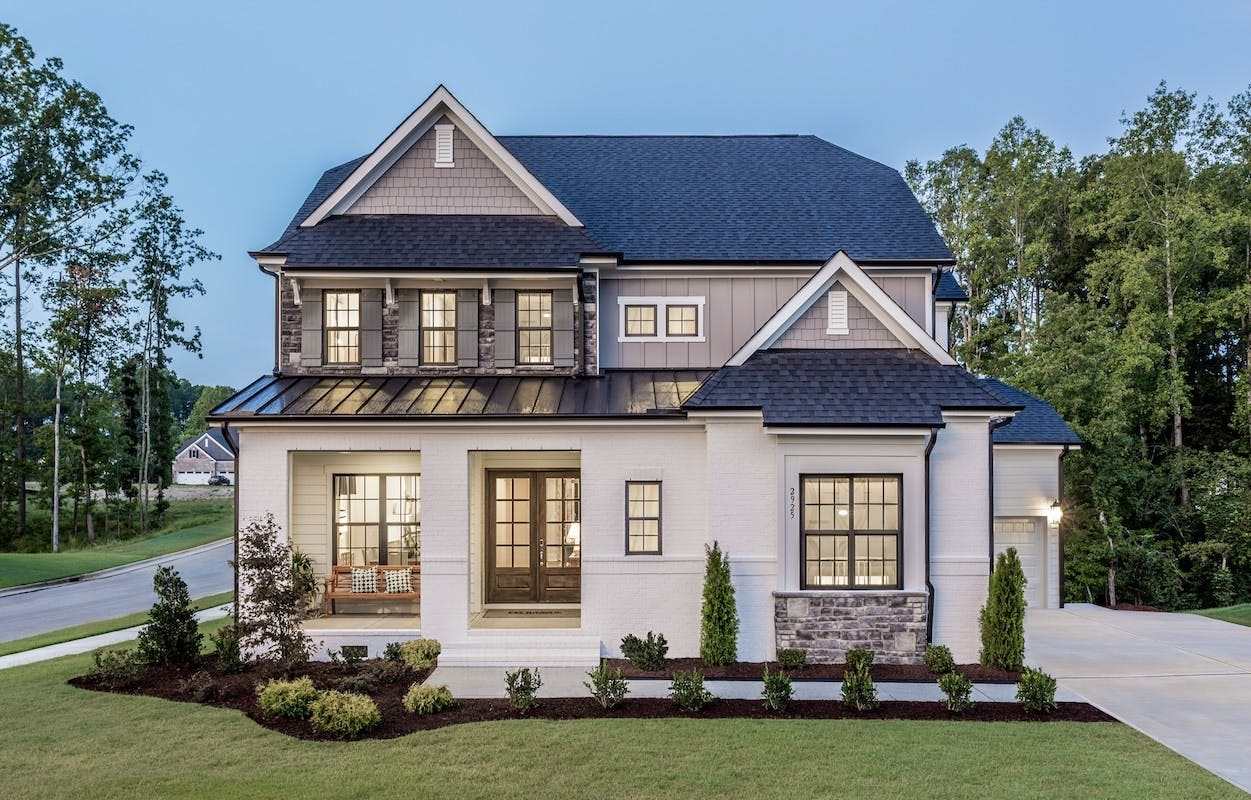
No listing found.